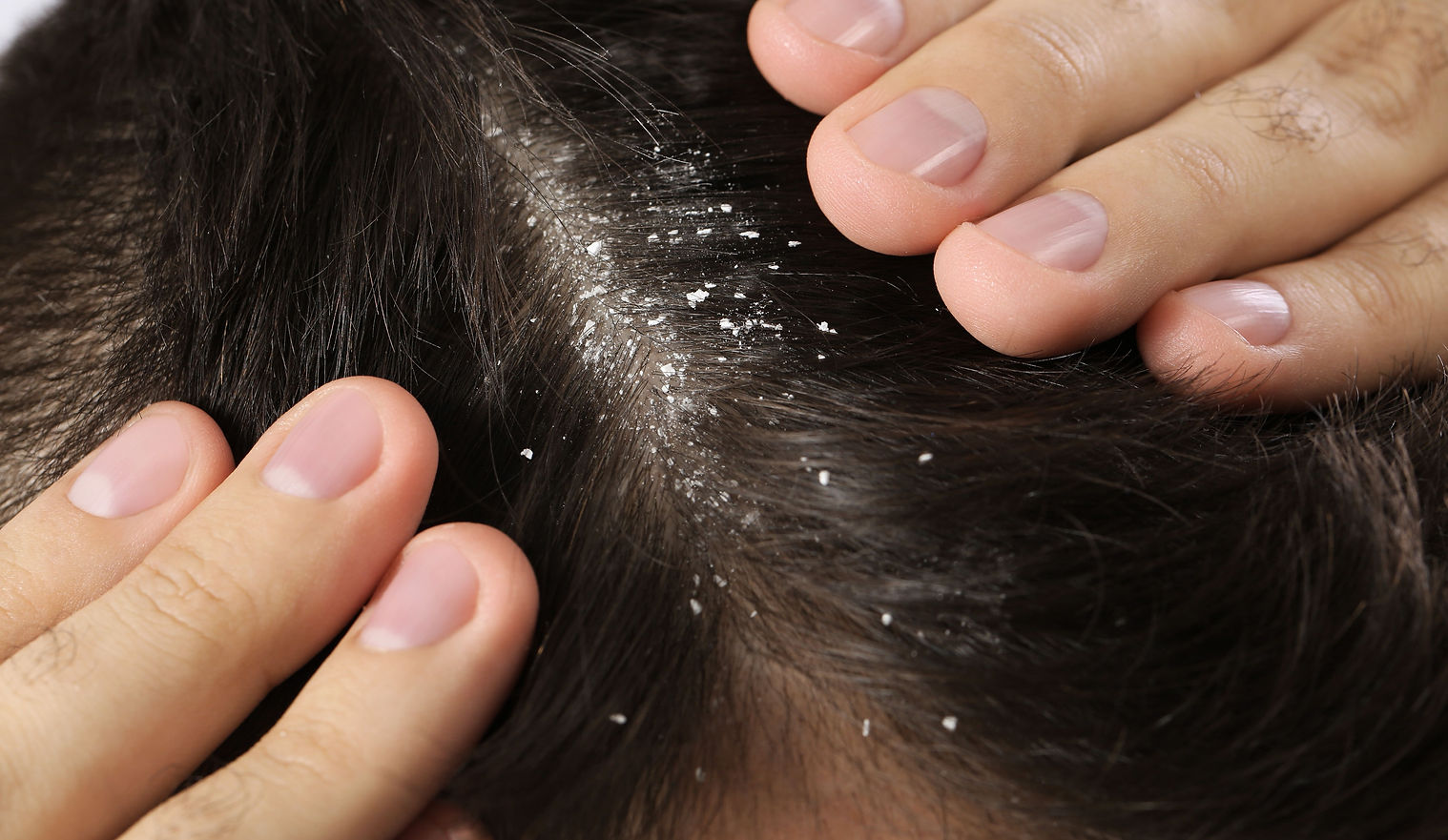
Dandruff: About, Causes, Solutions
Understanding Eczema
Eczema, also known as atopic dermatitis, is a chronic inflammatory skin condition that affects the skin’s ability to maintain a strong and healthy barrier. It occurs when the skin barrier becomes weakened, allowing moisture to escape easily while irritants, allergens, and microbes penetrate more readily. This leads to dryness, itching, redness, and inflammation. Eczema can appear at any age, though it often begins in childhood, and its severity can vary significantly over time depending on genetic, environmental, and immune system factors.
How Eczema Develops in the Skin
Eczema develops due to a combination of impaired skin barrier function and an overactive immune response. Under healthy conditions, the skin acts as a protective shield that retains moisture and blocks external irritants. In eczema-prone skin, this barrier is compromised, often due to genetic variations affecting skin proteins such as filaggrin. As a result, water loss increases and the skin becomes dry and more vulnerable. When irritants or allergens penetrate the weakened barrier, the immune system reacts strongly, triggering inflammation, redness, itching, and sometimes oozing or cracking of the skin. Repeated scratching further damages the barrier, creating a cycle of irritation and flare-ups.
Types and Variations of Eczema
Eczema is not a single uniform condition and can present in several forms. Atopic dermatitis is the most common type and is often associated with allergies, asthma, or hay fever. Contact dermatitis occurs when the skin reacts to specific irritants or allergens, such as fragrances, metals, or harsh chemicals. Dyshidrotic eczema typically affects the hands and feet and is characterized by small, itchy blisters. Nummular eczema appears as circular patches of irritated skin, while seborrheic dermatitis affects oil-rich areas such as the scalp and face. The appearance, location, and severity of eczema vary widely between individuals and can fluctuate over time.
Contributing Factors
Eczema is influenced by a combination of genetic, immune, and environmental factors. A family history of eczema, asthma, or allergies increases the likelihood of developing the condition. Environmental triggers such as dry air, temperature changes, harsh soaps, fragrances, dust, pollen, and certain fabrics can worsen symptoms. Stress and hormonal fluctuations may also contribute to flare-ups. Additionally, over-washing, use of irritating skincare products, or inconsistent moisturizing can weaken the skin barrier further, making the skin more reactive and sensitive.
Principles of Eczema Management
Effective eczema management focuses on restoring and protecting the skin barrier while reducing inflammation and itchiness. The primary goal is to maintain hydration and minimize exposure to triggers. Regular moisturizing is essential, as it helps repair the skin barrier and reduce water loss. Gentle cleansing with non-irritating products prevents further disruption of the skin’s protective layer. Inflammation control may involve topical treatments that calm immune overactivity and reduce itching. Avoiding scratching is also important, as it prevents additional skin damage and reduces the risk of infection.
Supporting Long-Term Skin Health
Eczema is typically a long-term condition that requires consistent daily care rather than short-term intervention. The skin barrier takes time to repair, and improvements often occur gradually with sustained treatment. Harsh or overly aggressive products can worsen irritation and prolong flare-ups, while a gentle and consistent routine supports long-term stability. Managing eczema effectively involves identifying personal triggers, maintaining skin hydration, and supporting the skin’s natural repair processes. Over time, this approach can reduce flare frequency and improve overall skin resilience.
Wolfgang Klar Approach
At Wolfgang Klar, eczema is viewed as a barrier dysfunction condition that requires a structured, supportive approach focused on skin restoration. Rather than aggressively suppressing symptoms, the emphasis is placed on strengthening the skin barrier, reducing inflammation, and improving long-term tolerance to environmental triggers. This balanced method aims to help stabilize the skin and reduce recurring flare-ups through consistent care and biologically informed skin support strategies.
Conclusion
Eczema is a complex but manageable skin condition driven by a weakened skin barrier, immune system reactivity, and environmental triggers. While it is not instantly curable, understanding its underlying mechanisms allows for more effective long-term management. With consistent barrier support, gentle skincare practices, and trigger awareness, it is possible to reduce flare-ups and improve overall skin comfort and health over time.
Solutions

Product Name
Active Ingredients:
Price: $25
Product Name
Active Ingredients:
Price: - -