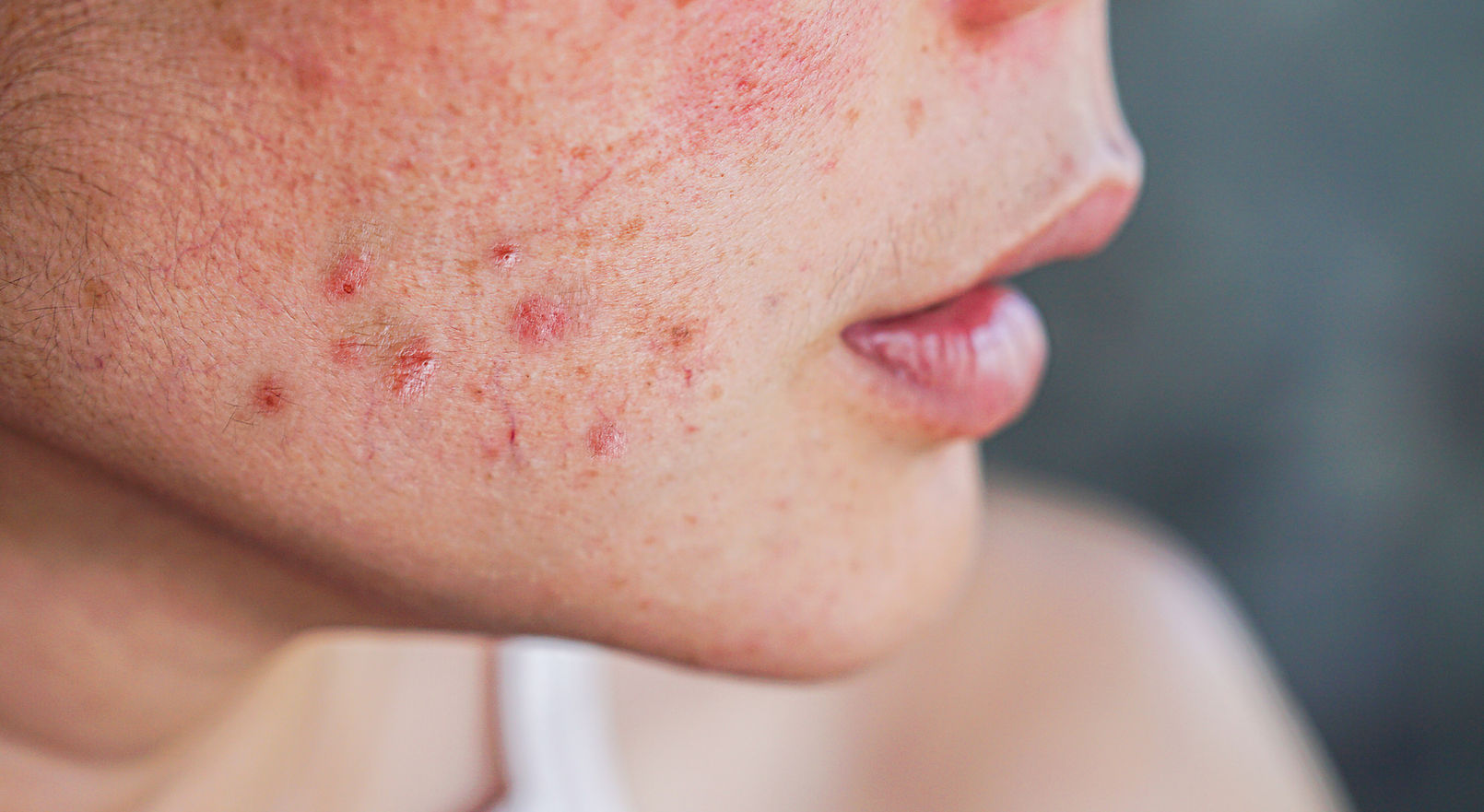
Acne: About, Causes, Solutions
About Acne
Acne is a disorder of the pilosebaceous follicles — the small structures in the skin that house hair follicles and their associated sebaceous (oil-producing) glands. It manifests in several morphological forms, ranging from non-inflammatory lesions such as open comedones (blackheads) and closed comedones (whiteheads) to inflammatory lesions including papules, pustules, nodules, and cysts. Severity is typically classified along a clinical spectrum from mild to moderate to severe, with nodulocystic acne representing the most aggressive presentation and carrying the highest risk of permanent scarring and post-inflammatory hyperpigmentation.
Although adolescence is the most common period of onset, acne is increasingly recognized as a condition that persists into, or first emerges during, adulthood — particularly in women, where hormonal fluctuations play a significant etiological role.
Causes
The pathogenesis of acne is governed by four interrelated mechanisms operating within the pilosebaceous unit:
The first is excess sebum production, driven largely by androgenic hormones such as testosterone and dihydrotestosterone (DHT), which stimulate sebaceous gland activity. The second is follicular hyperkeratinization, in which abnormal shedding of keratinocytes obstructs the follicular opening, forming a microcomedone — the precursor lesion to all clinically visible acne. The third is bacterial proliferation, specifically of Cutibacterium acnes (formerly Propionibacterium acnes), an anaerobic organism that thrives in the lipid-rich, oxygen-poor environment of the obstructed follicle. The fourth is the resulting inflammatory response, in which immune mediators are recruited to the site, producing the erythema, edema, and pain characteristic of inflammatory acne.
Secondary contributing factors include genetic predisposition, hormonal events (puberty, menstruation, polycystic ovary syndrome, pregnancy), certain medications (corticosteroids, lithium, anticonvulsants), high-glycemic-index diets, dairy consumption, mechanical friction, occlusive cosmetic products, and psychological stress, which elevates cortisol and can exacerbate sebaceous activity.
Treatment
Effective acne management is stepwise and tailored to severity, lesion type, skin phenotype, and patient tolerance. Treatment options span topical, systemic, and procedural categories.
Topical therapies form the cornerstone of treatment for mild to moderate acne. Topical retinoids (tretinoin, adapalene, tazarotene, trifarotene) normalize keratinocyte turnover and prevent microcomedone formation. Benzoyl peroxide delivers bactericidal action against C. acnes without promoting antibiotic resistance. Topical antibiotics such as clindamycin and erythromycin reduce bacterial load and inflammation, and are most effective when combined with benzoyl peroxide. Azelaic acid offers anti-inflammatory, antimicrobial, and depigmenting properties, making it particularly useful in patients with concurrent post-inflammatory hyperpigmentation.
Systemic therapies are indicated for moderate to severe, widespread, or treatment-resistant acne. Oral antibiotics — most commonly doxycycline, minocycline, or sarecycline — reduce inflammation and bacterial colonization, typically prescribed for limited durations to minimize resistance. Hormonal therapy, including combined oral contraceptives and spironolactone, addresses the androgenic component in appropriately selected female patients. Oral isotretinoin remains the most effective treatment available for severe nodulocystic or scarring acne, targeting all four pathogenic mechanisms; its use requires strict clinical supervision and adherence to pregnancy prevention protocols due to known teratogenicity.
Procedural and adjunctive interventions include chemical peels, light and laser therapies, intralesional corticosteroid injections for inflamed cysts, and comedone extraction performed by trained clinicians.
Solution
A sustainable solution to acne is rarely a single product but rather a consistent, individualized regimen built on three principles: prevention, treatment, and maintenance.
Prevention begins with a gentle, non-comedogenic skincare routine — twice-daily cleansing with a mild surfactant, daily broad-spectrum sunscreen, and avoidance of harsh scrubs or alcohol-based astringents that compromise the skin barrier. Active treatment involves the appropriate use of evidence-based ingredients matched to lesion type and severity, ideally under the guidance of a dermatologist for moderate or severe cases. Maintenance, often the most overlooked phase, involves continued use of low-irritant topicals — typically a retinoid — to prevent recurrence once active lesions have cleared.
Equally important are lifestyle considerations: a balanced diet low in high-glycemic foods, adequate sleep, stress management, and minimizing skin trauma from picking or aggressive product use. Patients should be counseled to expect a treatment timeline of 8 to 12 weeks before meaningful improvement is observed, and to understand that adherence — not intensity — is the strongest predictor of long-term clearance.
When approached systematically, with the right combination of clinical insight and consistent care, acne is a highly manageable condition, and clear, healthy skin is an achievable outcome for the vast majority of patients.
Products

Salix-B3 Clarifying Gel Cleanser Klärex
Active Ingredient:
Price:
R&D Phase ⓘ
Salix-B3 Clarifying Gel Cleanser Klärex
Active Ingredient:
Price: